Rocky Mountain National Park Tips For Families
On this page 8
The best Rocky Mountain National Park tips for families come down to a few key steps. Check entry rules before you go, plan for high altitude, start each day early, choose short trails, and pack layers for fast weather changes. With those basics in place, the park can work well for kids of many ages, from toddlers in carriers to teens who want a real hike.
The park sits high in the Colorado Rockies. It has lakes, meadows, tall peaks, and lots of wildlife. It also has thin air, busy trailheads, and storms that can roll in quickly. Knowing what to expect helps a family trip feel calm instead of rushed.
Check Entry Rules and Plan Around Crowds
In recent years, the park has used a timed entry permit system during its busy seasons. This means a family may need a reservation to enter during certain hours, in addition to a park pass. The rules can change from year to year, so families usually check the official park website shortly before their trip.
Crowds tend to build by mid-morning, especially at popular spots like Bear Lake. Parking lots there can fill early. Many families arrive soon after sunrise to find parking, cooler air, and quieter trails. Others use the park shuttle, which runs along the Bear Lake corridor during busy months.
Weekdays are often less crowded than weekends. Visiting in late spring or early fall can also mean fewer people, though some roads and trails may still have snow or be closed during those times.
Get Ready for High Altitude
Much of the park sits at high elevation. The air holds less oxygen than it does at sea level. Some people feel tired, short of breath, or get a headache when they first arrive. Children may not always explain how they feel, so adults often watch for signs like crankiness, low energy, or loss of appetite.
Many families spend a night or two in a nearby town, such as Estes Park or Grand Lake, before taking on longer hikes. This gives bodies time to adjust. Drinking plenty of water and taking frequent breaks are common habits at altitude. How each person handles elevation differs, and anyone with health concerns may want to talk with a doctor before the trip.
The sun is also stronger up high. Hats, sunglasses, and sunscreen are commonly packed, even on cool or cloudy days.
Choose Short, Kid-Friendly Trails
The park has many trails that suit young legs. Short, flat loops with something to see at the end tend to hold kids' interest. A lake, a creek, or a waterfall gives children a clear goal.
- Sprague Lake: A flat, easy loop around a lake with mountain views. It is often described as stroller-friendly.
- Bear Lake: A short loop around a lake at a popular trailhead. Longer trails to other lakes start here for families who want more.
- Lily Lake: A gentle path around a lake, located along the highway outside the main park entrance areas.
- Alluvial Fan: A short walk to a rocky area with rushing water, which many kids enjoy watching.
- Coyote Valley: A level trail on the west side of the park, near Grand Lake, along the river and meadows.
Trails can feel harder than they look on a map because of the altitude. Families often plan for slower walking and more stops than they would at home. Turning around early is a normal part of hiking with kids.
Drive Trail Ridge Road With Care
Trail Ridge Road crosses the park from east to west. It climbs above the tree line into alpine tundra, where the views stretch for miles. For many families, this drive is a highlight of the trip, and it is a good option for kids who cannot hike far.
The road is usually open only from late spring to fall, because snow closes it in winter. The upper sections have steep drop-offs and few guardrails in places. Some children feel carsick on the curves, so families often plan stops at pullouts and overlooks.
The Alpine Visitor Center near the top has restrooms, exhibits, and a short but steep trail. The air there is very thin, so even a short walk can feel tiring. Weather at the top can be cold and windy, even when it is warm in the valleys below.
Watch Wildlife From a Safe Distance
Elk are easy to spot in the park, especially in meadows like Moraine Park. Families may also see bighorn sheep, mule deer, marmots, pikas, and moose. Moose are often seen on the west side near the Colorado River.
Wild animals can be unpredictable. Park rules ask visitors to keep a safe distance and never feed wildlife. Elk can become aggressive during the fall breeding season, and moose can charge if they feel threatened. Binoculars let kids get a closer look without getting closer.
Dusk and dawn are common times to see animals. Many families plan a slow evening drive through a meadow area as a simple, low-effort way to spot wildlife.
Pack for Fast Weather Changes
Mountain weather shifts quickly. A sunny morning can turn into a cold, wet afternoon. In summer, thunderstorms often form in the early afternoon. Lightning is a real risk above the tree line, which is one reason many families plan hikes for the morning and head down before storms arrive.
Layers are useful because temperatures change with time of day and elevation. A day pack for a family often includes:
- Rain jackets for each person
- A warm layer, such as a fleece
- Plenty of water and snacks
- Sun hats, sunglasses, and sunscreen
- A small first aid kit
- A paper map, since cell service is limited in much of the park
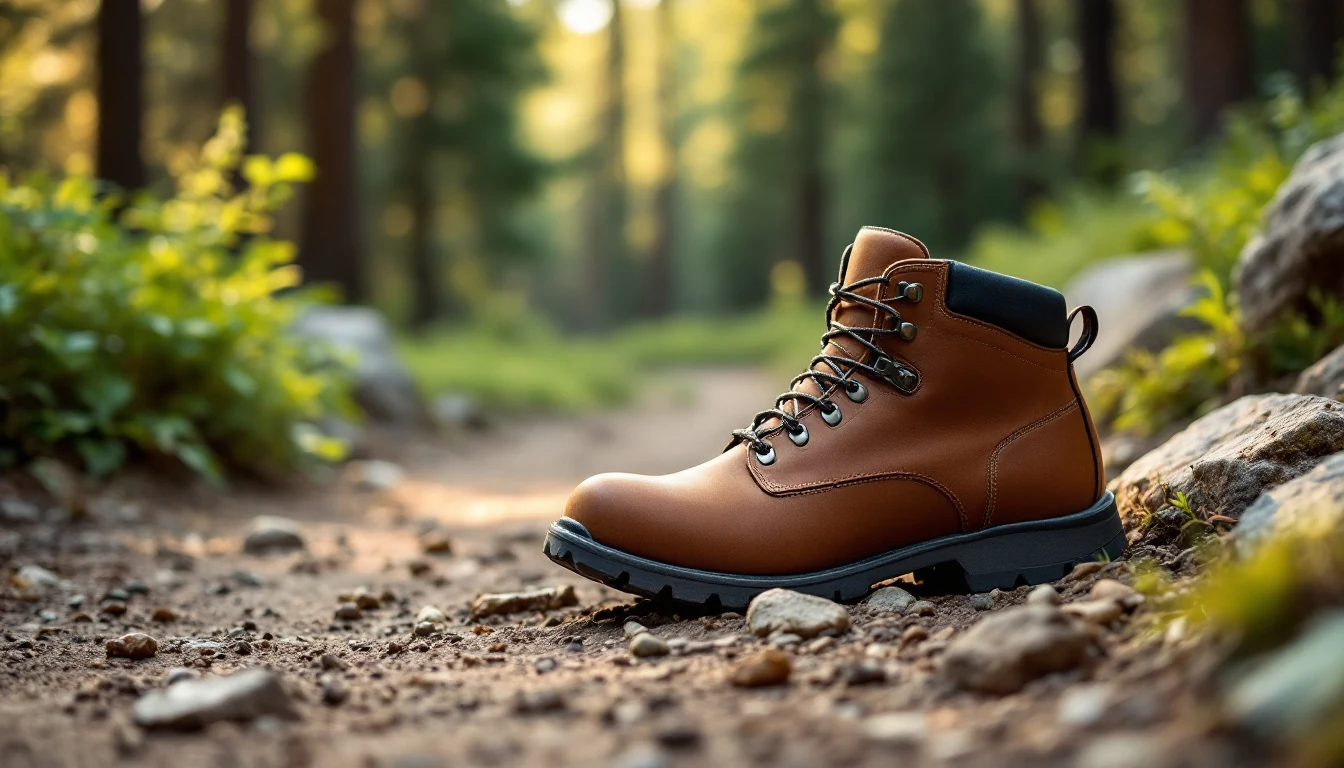
Sturdy shoes with good grip help on rocky or muddy paths. Some families also bring a change of socks for kids who cannot resist splashing in creeks.
Keep Kids Engaged and Rested
The park offers a Junior Ranger program. Kids complete activities in a booklet, often available at visitor centers, and can earn a badge. Many children like having a task to work on during the trip. Ranger-led programs, when offered, can also add fun and learning.
Pacing matters on a family trip. Mixing one active outing with a quiet afternoon often works better than packing every hour. Picnics, creek play, and short nature walks can be just as memorable as big hikes. Giving kids small jobs, like reading the trail map or spotting animals, can help them feel involved.
If this is your family's first national park trip, it may help to compare options first. This overview of the best first national park for families explains how Rocky Mountain stacks up against other parks for new visitors.
Planning a trip like this involves many details, from entry rules to packing lists. The planning resource at https://parkboundfamily.com/kit/ is designed to help families keep trip details organized in one place. More family park topics are available on the Park Bound Family home page.
Frequently Asked Questions
Is Rocky Mountain National Park good for young kids?
Many families with young children visit the park. Short, flat trails, scenic drives, and frequent wildlife sightings give kids plenty to enjoy. The main things to plan for are high altitude, crowds, and changing weather.
When is the best time to visit with kids?
Summer is the most popular time because all roads are usually open and the weather is warmer. It is also the busiest season. Early fall can bring fewer crowds and active elk, though weather becomes colder and less predictable.
Do families need a reservation to enter the park?
The park has used a timed entry permit system during busy seasons in recent years. Rules can change, so families typically check the official park website before their trip to see what is required for their dates.
How can families handle the high altitude?
Many families spend time in a nearby town first, drink plenty of water, and take short hikes at the start. Everyone reacts to altitude differently, and people with health concerns may want to speak with a doctor before traveling.