Cabin vs Camping National Park Family Trip: What Fits
On this page 7
Cabin vs camping national park family trips both work — the cabin is the middle option. It gives you a roof, a real bed, and often a bathroom or kitchenette without full camping gear or a hotel's price tag, which makes it the usual pick for a first outdoor trip or for a family with a toddler who's still working out sleep.
- Cabin: protected from weather and bugs, less setup and teardown time, usually books out almost as far ahead as in-park lodges.
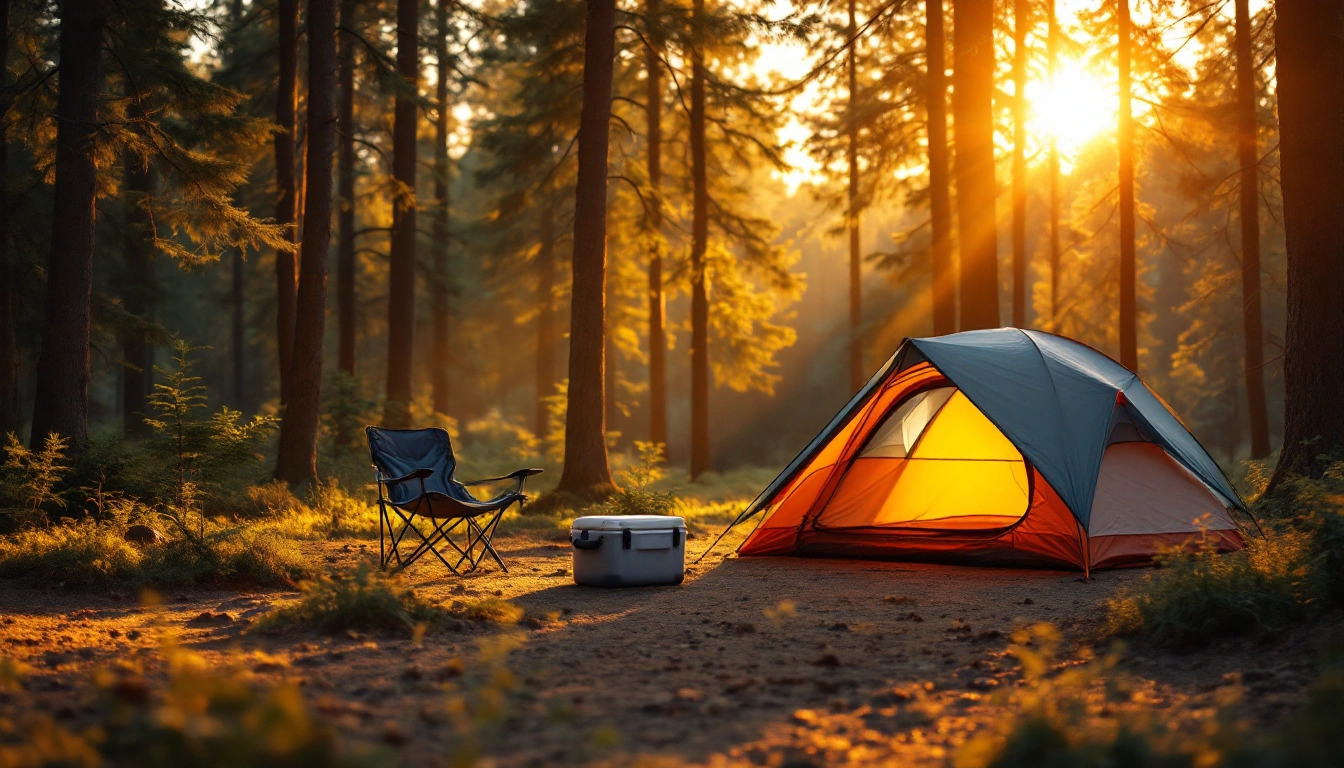
- Camping: cheapest option, most last-minute availability, more gear and setup, more exposure to weather and nighttime noise — and more of the outdoor-trip feeling some families are chasing.
- Cost, roughly: basic camping in the $20–45/night range, cabins in the $100–250/night range, in-park lodges in the $200–450/night range, all depending heavily on the park and season.
- Booking timeline: popular park cabins can sell out nearly as early as in-park lodges — check availability at the same time you'd check lodge rooms, not after.
The packing checklists cover both setups, so whichever you pick, the "what to bring" list is already built for it.
When a cabin makes sense
A cabin is the easier call for a family doing their first trip that involves anything besides a hotel room, for a family with a toddler or baby whose sleep is unpredictable, or for a trip in a season where weather is genuinely unpredictable. It removes tent setup, sleeping-pad comfort, and the "is everyone actually warm enough" question that comes with a first camping trip.
When camping still wins
Camping is the better call on a tight budget, for a family that's done it before and likes the routine, or for a trip where being right next to a specific trailhead or lake matters more than a soft bed. It's also the more flexible option for last-minute planning — camping availability tends to hold out longer than cabins or lodge rooms in the same park.
The parts nobody mentions
Cabins vary hugely — some have a private bathroom and a kitchenette, others are a bed and four walls with a shared bathhouse down the path, closer to camping than a hotel. Read the specific listing, not just the word "cabin." Camping with kids means a slower morning routine than you'd plan for — pack up, cooking, and dishes eat more time than people expect on the first try.
The budget comparison that actually matters
It's not just the nightly rate. Camping adds a one-time gear cost if you don't already own a tent and sleeping bags, though that cost spreads across every future trip. A cabin adds nothing extra but the nightly rate, which is usually double to triple a basic campsite. Run both numbers against how many nights you're staying before deciding — a short trip favors the cabin's convenience; a longer one narrows the gap.
Making the choice easier
If you're not ready to commit to a full camping trip but want to try it, a rustic cabin near the park entrance is a reasonable way to test the outdoor-adjacent experience without betting the whole trip on a tent holding up in the rain.
Mixing the two on one trip
You don't have to pick one for the whole trip. Some families do two or three nights camping followed by a cabin or hotel night to reset — showers, real beds, and laundry — before heading home. That split works especially well on a longer trip, where the novelty of camping tends to wear thin for younger kids right around the third or fourth night, and a comfortable last night makes the drive home start on a better note.
What to ask before booking either one
For a cabin, ask specifically about bathroom setup (private vs shared), whether bedding and towels are provided, and whether there's a kitchenette or just a fire ring outside. For a campsite, ask about shade, distance to the nearest bathroom and water source, and whether the site backs onto a road or a quiet loop — a site near the campground entrance often means more headlight glare and foot traffic at night than one further in. Both questions take one email or one look at the listing's amenities, and both save a surprise on arrival night.